Sourcing Botanical Actives at Scale: Inside China Wholesale for Fennel Seed Extract
Tags : Fennel Seed Extract
Across the global nutraceutical, functional food, and natural flavor industries, botanical extracts remain foundational raw materials for clean-label product development. Among time-tested culinary and medicinal herbs, Fennel Seed Extract—derived from the dried, aromatic seeds of Foeniculum vulgare—continues to command steady commercial demand.
For international brand owners, contract manufacturers, and ingredient distributors, partnering with an established China supplier for wholesale Fennel Seed Extract offers significant advantages in extraction capacity, specification flexibility, and unit economics. Navigating this supply chain effectively requires a clear understanding of commercial grades, active compound standardization, extraction methods, and quality verification protocols.
Unlike raw whole fennel seeds or simple ground spice powders, industrial Fennel Seed Extract is processed to concentrate specific bioactive constituents while ensuring batch-to-batch reproducibility.
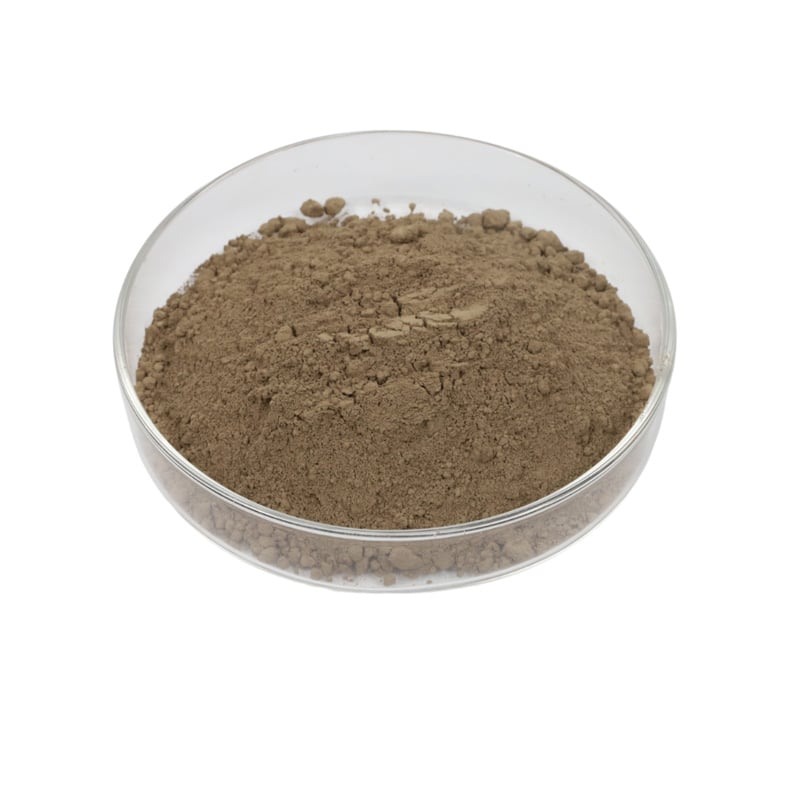
Ratio Extracts (e.g., 4:1, 10:1, 20:1): Produced via aqueous or hydro-ethanolic extraction followed by spray-drying, ratio extracts concentrate the water-soluble solids of the seed into a fine, free-flowing light brown to yellowish-brown powder. These grades are widely used in solid dosage supplements, herbal tea blends, and culinary seasonings where full-spectrum botanical identity is desired.
Standardized Active Grades (Trans-Anethole): For precision formulations, suppliers standardize extracts to verified percentages of trans-anethole—the primary aromatic phenylpropanoid responsible for fennel's characteristic sweetness and functional activity. Standardized dry powders commonly feature 5% to 10% trans-anethole, whereas concentrated essential oil or supercritical
China's major botanical extraction hubs—concentrated in provinces such as Shaanxi, Hunan, Guangdong, and Shandong—have invested heavily in specialized processing infrastructure. Because fennel's most valuable compounds are volatile oils prone to thermal degradation, top-tier factories utilize tailored extraction techniques depending on the end application:
Low-Temperature Aqueous and Ethanol Extraction: Ideal for producing water-soluble powders. Controlled vacuum concentration prevents scorching and preserves delicate flavor notes before spray-drying onto food-grade carriers or pure native matrices.
Steam and Hydro-Distillation: Used to isolate pure fennel essential oil and high-anethole fractions for liquid flavoring, oral care, and aromatherapy applications.
Supercritical $\text{CO}_2$ Extraction: Increasingly favored for premium nutraceutical and cosmetic grades. Operating without organic chemical solvents, supercritical fluid extraction yields a clean, full-spectrum lipophilic extract with zero solvent residue and superior aroma fidelity.
Wholesale Fennel Seed Extract serves as a versatile functional ingredient across multiple commercial verticals:
Dietary Supplements & Nutraceuticals: Formulated into tablets, hard-shell capsules, and digestive bitters targeting gastrointestinal comfort, bloating relief, and women's wellness support.
Functional Foods & Beverages: Water-soluble grades dissolve cleanly into ready-to-drink herbal infusions, botanical syrups, digestive tonics, and baked goods without leaving insoluble sediment.
Natural Flavoring & Oral Care: High-purity anethole fractions provide natural sweetness and refreshing aromatic notes in toothpastes, mouthwashes, confectionery, and savory spice seasonings.
Personal Care & Cosmetics: Incorporated into soothing skincare toners and botanical cleansers for its antioxidant and calming properties.
To avoid inconsistent potency, adulteration with synthetic anethole, or customs delays, procurement teams should enforce strict technical vetting before issuing bulk purchase orders:
Verify Chromatographic Testing (GC-MS and HPLC): Do not rely solely on visual inspection or basic loss-on-drying metrics. Require batch-specific Gas Chromatography–Mass Spectrometry (GC-MS) or HPLC chromatograms confirming natural trans-anethole content and monitoring estragole (methyl chavicol) levels—a naturally occurring constituent subject to strict regulatory thresholds in European and North American food and supplement markets.
Confirm Botanical Authenticity and Purity: Ensure the supplier verifies raw Foeniculum vulgare seed identity via TLC or HPTLC fingerprinting, guarding against undisclosed blending with cheaper star anise (Illicium verum) oils.
Audit Food Safety and Regulatory Certifications: Prioritize direct manufacturers operating under cGMP, ISO 22000, FSSC 22000, or HACCP quality management systems, with available Kosher, Halal, and USDA/EU Organic documentation when required.
Inspect Contaminant Panels and Packaging: Confirm third-party lab results for heavy metals (lead, arsenic, cadmium, mercury), microbiological limits, and multi-residue pesticide screening.