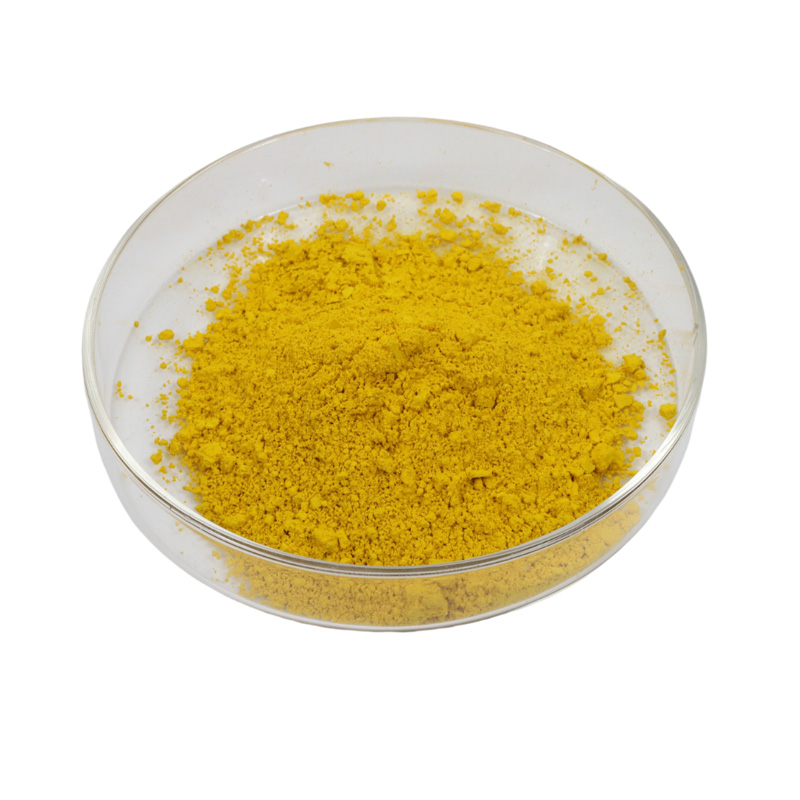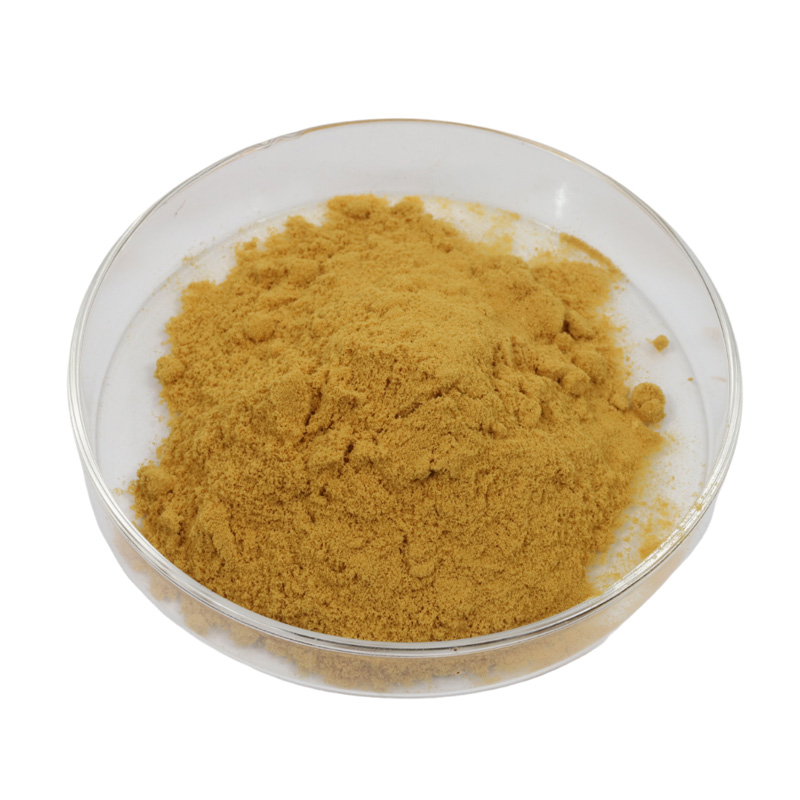
Sourcing High-Performance Natural Pigments: Inside China Wholesale for Carthamus Yellow Color Value E
Tags : Carthamus Yellow, Carthamus Tinctoria
The global food, beverage, and cosmetic industries are undergoing a massive shift toward clean-label, plant-derived ingredients.
For commercial buyers, procurement managers, and product developers looking to source this ingredient efficiently, partnering with a specialized China supplier for wholesale Carthamus Yellow—specifically evaluating specifications such as Color Value E—is a critical step in balancing cost-efficiency with high-performance coloring.
Carthamus Yellow is a water-soluble natural pigment whose main active components are chalcone glycosides, predominantly hydroxysafflor yellow A (HYSA) and safflomin B. Unlike oil-soluble pigments, it dissolves readily in water and dilute ethanol, yielding a bright, clean, lemon-to-saffron yellow hue that remains visually appealing without harsh artificial undertones.
When buying wholesale from Chinese manufacturers, Color Value E (typically expressed as
Powder Grades: Standard commercial powders generally range from E40 up to E180+. Higher color values mean a smaller dosage is required to achieve the target shade, reducing per-batch freight and storage overhead.
Liquid Formulations: Usually formulated between E5 and E60, liquid variants are convenient for direct injection into beverage lines.
Sourcing bulk Carthamus Yellow from established processing hubs in China offers distinct technical benefits for large-scale production:
Clean-Label Appeal: Completely plant-derived via water or mild aqueous extraction, satisfying strict global regulatory standards and clean-label consumer expectations.
Favorable Stability Profiles: It displays good resistance to light at neutral to slightly acidic pH ranges (
Versatile Application Spectrum: Because it does not alter the original taste profile or transparency of the base product, it is widely utilized across multiple sectors:
Beverages: Soft drinks, juices, functional waters, and teas.
Confectionery & Snacks: Hard and soft candies, jellies, gelatin desserts, and popcorn.
Bakery: Pastry crusts, fillings, icings, and biscuits.
Prepared Foods: Pickled products, seasonings, and canned vegetables.
When executing a wholesale purchase contract with a Chinese botanical extract manufacturer, buyers should prioritize several key procurement protocols:
Request Detailed Certificates of Analysis (CoA): Always verify that the specific batch matches the promised Color Value E index. A reputable supplier will provide spectrophotometry data confirming the absorption peak.
Evaluate Heavy Metal and Microbiological Compliance: Ensure the material complies with international food safety benchmarks (e.g., JECFA, ISO, HACCP), keeping lead, arsenic, and cadmium well within strict regulatory limits.
Verify Packaging and Storage Specifications: Carthamus Yellow powder is hygroscopic and sensitive to prolonged heat and direct light. Ensure shipments arrive in double-layer aluminum foil bags or food-grade HDPE drums paired with desiccants, and store inventory in cool, dry conditions (